
Gainesville Self Storage: Climate Control, Sizing, and What It Actually Costs

A practical guide to storage costs, unit sizes, and climate-controlled options for anyone storing in Gainesville, FL.
Three things decide whether Gainesville self storage works out well for you: timing, size, and how much climate control actually matters for what you're putting in the unit. Get those right and the rest — location, self storage costs, which facility — mostly sorts itself out. This city's demand is unusually seasonal for its size, and knowing why makes timing advice below a lot more useful than a generic "book early" tip.

That seasonality comes from the University of Florida's academic calendar. Most leases end in early May, new ones don't start until August, and the three-month gap in between is what drives storage costs up across the whole market — not just for students. If you can reserve two to four weeks ahead of a May move, which most facilities let you do for free, you'll usually lock in a lower rate before the summer rush actually hits. December sees a smaller version of the same pattern.
Size is the next decision, and it's simpler than it sounds. A 5×5 or 5×10 covers a single person's belongings or a small apartment. Step up to a 10×10 for a larger place, or split one with a roommate — sharing is genuinely one of the easiest ways to cut storage costs if you're both moving around the same time. Our sizing guide has the full breakdown if you want exact dimensions.
Climate-controlled storage is worth the extra few dollars a month here, and it's not really optional for certain belongings. Wood furniture, mattresses, clothing, and electronics don't hold up well in an uncontrolled unit through a Gainesville summer — heat and humidity cause warping, mold, and moisture damage that show up faster than most people expect. If what you're storing falls into any of those categories, treat climate control as the default rather than an upgrade to skip.
Location is where people tend to overthink it. Archer Road, SW 34th Street, and NW 13th Street all put you within 5 to 15 minutes of most of the city, campus included. Rather than agonizing over the map, visit one to three facilities near you and actually look at a unit before signing anything — layout, access, and general upkeep tell you more in five minutes than any photo online.
Pricing at most facilities follows a pattern worth knowing before you compare storage costs across a few options: economy units sit farther from the entrance or elevator, standard units are the average location, and premium units are near the door. Ground-floor and drive-up units cost more than elevator-access units of the same size, so if you don't need street-level access, choosing elevator access is a straightforward way to save. Our facility comparison has current numbers if you want to see how that plays out locally.
Before renting anywhere, check for gated access, video surveillance, and a property that's actually kept clean — loading and unloading should feel easy, not like an obstacle course. It's also worth a second visit right before move-in; you can usually still cancel a reservation if something feels off once you see it in person. A small trick that works better than it should: search the facility's Google reviews for a manager's name mentioned by customers. Facilities with consistent, hands-on staff tend to show up that way; unstaffed lots usually don't.
On raw numbers, small units generally run $40 to $80 a month and medium units $80 to $100, climbing from there during peak season. Those figures move around by facility and time of year, so treat the comparison guide linked above as the source for anything current.
A few packing habits make a real difference over months of storage: plastic bins hold up better than cardboard, everything should sit a few inches off the floor, and whatever you'll need first belongs near the door of the unit, not buried in the back. Food, liquids, and flammable materials are off-limits at most facilities, so don't plan around sneaking them in.
Put it all together and the advice isn't complicated — reserve early, size the unit to what you're actually storing, and don't skip climate control for anything humidity can ruin. Doing those three things in that order is what actually keeps Gainesville self storage affordable during the city's busiest months, whether or not you have anything to do with the university at all.
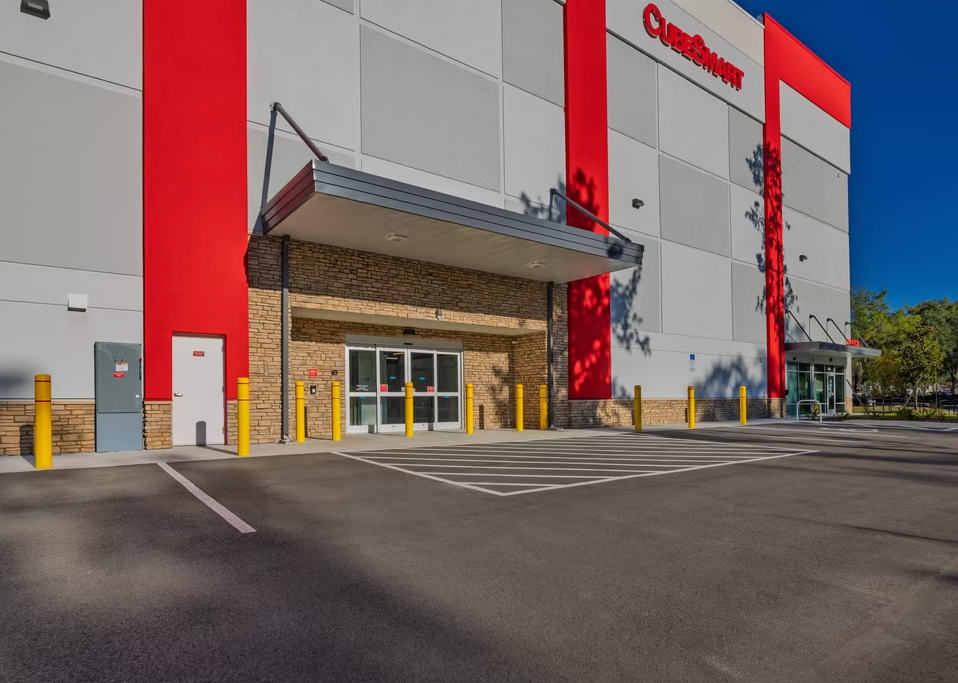
Storage fills up fast across Gainesville between May and August, mostly because of that same academic-calendar squeeze. CubeSmart Self Storage of Gainesville offers climate-controlled units, month-to-month rentals, and easy access near UF, Archer Road, and Butler Plaza. Check current pricing and reserve your unit.
Comments